
Surface finish is not merely an aesthetic attribute in stainless steel. In industrial environments, it directly affects corrosion resistance, cleanability, fabrication performance, lifecycle cost, and regulatory compliance.
Selecting the correct finish is therefore a technical and commercial decision.
This guide outlines how common stainless steel surface finishes perform in industrial use and how buyers should evaluate them.
1. What Is Surface Finish?
Surface finish refers to the final surface condition of stainless steel after rolling, annealing, pickling, or mechanical polishing. It determines:
- Surface roughness (Ra value)
- Micro-crevice presence
- Reflectivity
- Resistance to contamination
- Fabrication behavior
In industrial environments, micro-level surface characteristics can significantly impact long-term durability.
2. Common Stainless Steel Surface Finishes
Below is a structured comparison table suitable for B2B industrial readers. It focuses on process route, roughness tendency, performance characteristics, applications, and cost level.
Stainless Steel Surface Finish Comparison:
| Finish | Surface | Key Feature | Applications | Cost |
|---|---|---|---|---|
| No.1 | Rough / Matte | Structural strength | Tanks, vessels | $ |
| 2B | Smooth | Balanced performance | Food, industrial | $$ |
| BA | Bright / Reflective | Hygiene & appearance | Pharma, panels | $$$ |
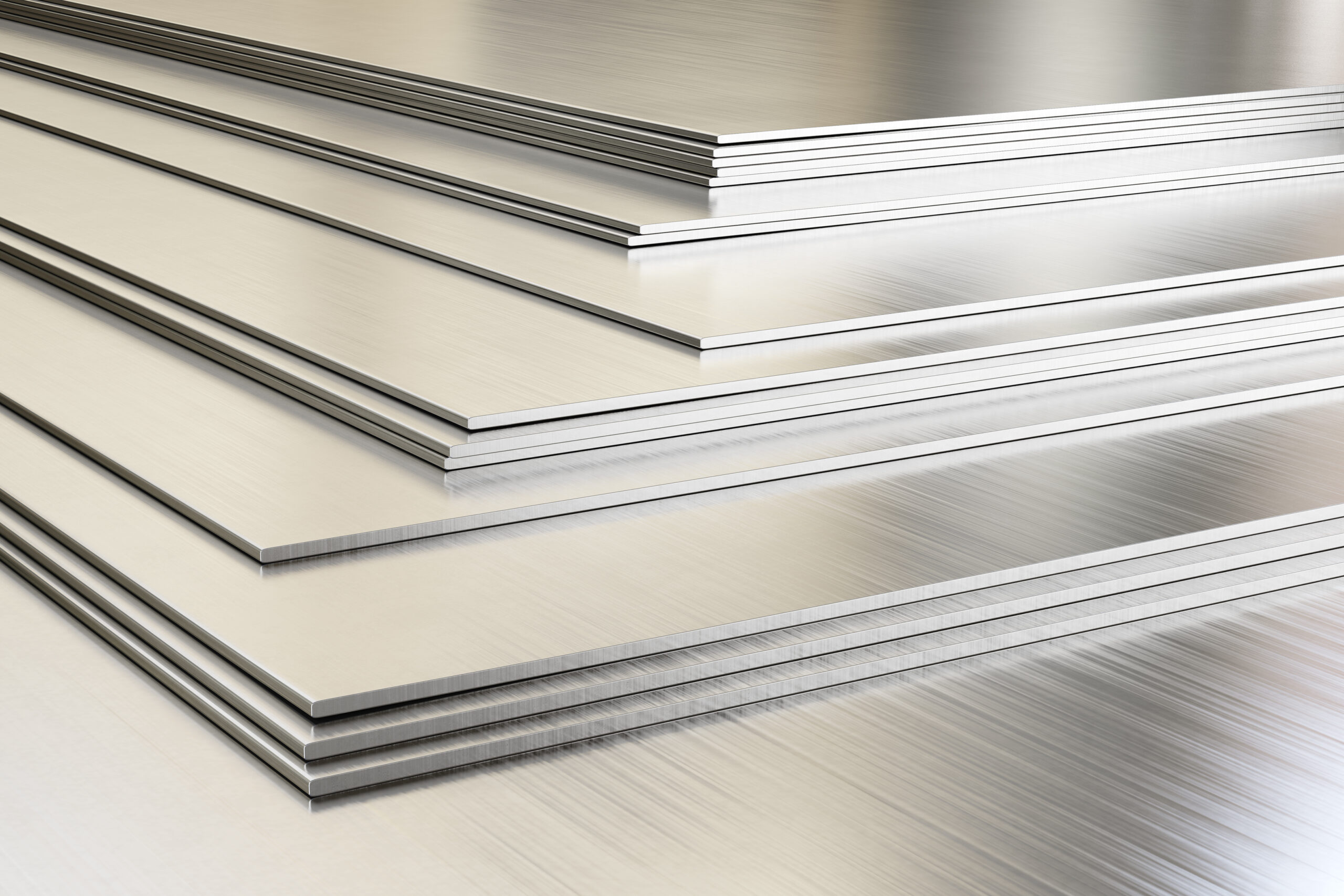
| No.4 | Brushed | Decorative | Architecture | $$$ |
3. How Surface Finish Affects Industrial Performance
1. Corrosion Resistance
Smoother surfaces reduce:
- Micro-crevice formation
- Chloride accumulation
- Localized corrosion risk
While chemical composition remains primary, surface finish influences long-term performance in corrosive environments.
2. Cleanability & Hygiene
Industries such as food processing and pharmaceuticals require lower surface roughness (often specified in Ra values).
Rough surfaces:
- Trap contaminants
- Increase cleaning time
- Raise compliance risks
3. Fabrication & Welding
- 2B finish typically offers good forming properties.
- No.1 may require additional processing before precision fabrication.
- BA can be sensitive to handling scratches.
Finish selection affects downstream processing efficiency.
4. Cost Implications
General cost ranking (approximate):
No.1 < 2B < No.4 < BA
Higher finish requirements increase processing time and quality control standards.
However, lifecycle cost must be considered alongside purchase price.
4. Surface Finish Selection by Industry
| Industry | Recommended Finish | Primary Consideration |
|---|---|---|
| Chemical Processing | No.1 / 2B | Strength & corrosion resistance |
| Food & Beverage | 2B / BA | Hygiene & cleanability |
| Pharmaceutical | BA | Surface smoothness |
| Architecture | No.4 / BA | Appearance |
| Heavy Structural | No.1 | Mechanical performance |
5. Common Buyer Mistakes
- Assuming higher gloss equals better corrosion resistance
- Failing to specify Ra requirements
- Ignoring downstream fabrication processes
- Overpaying for decorative finishes in non-visible applications
- Not confirming protective packaging for BA surfaces
Clear technical specification prevents unnecessary cost escalation.
6. Practical Recommendations for Industrial Buyers
When evaluating stainless steel surface finish, confirm:
- Intended environment (chloride exposure, humidity, chemicals)
- Hygiene requirements
- Fabrication process (welding, forming, cutting)
- Visibility requirements
- Budget constraints
If uncertain, request:
- Mill test certificates
- Surface roughness data (Ra)
- Sample inspection before bulk production
Conclusion
Surface finish selection should align with functional performance, compliance standards, and lifecycle economics, not appearance alone.
In industrial stainless steel procurement, a technically appropriate finish reduces operational risk and long-term maintenance costs.